
When a diesel vehicle stops operating, the immediate focus is mechanical. But the real impact unfolds across operations. Dispatch teams must rework routes. Drivers lose productive hours. Equipment availability becomes uncertain.
The first decision fleet managers face is not how to repair the vehicle. It is where the repair should occur. That choice determines how quickly operations recover.
The Traditional Towing Workflow
For decades, the default response to diesel failure has been straightforward. Arrange transport to the nearest service facility. Wait for shop availability. Begin diagnostics. Then schedule repairs based on parts and labor capacity.
This workflow was developed when diagnostic tools were facility-bound and mobile service capability was limited. While still necessary for major repairs, it introduces multiple stages where downtime accumulates.
A typical towing scenario includes:
- Waiting for tow provider dispatch
- Transport time to repair facility
- Shop intake and scheduling delays
- Diagnostic queue time
- Parts ordering and repair completion
Each stage adds uncertainty to operational recovery timelines.
Mobile Repair Changes the Timeline Model
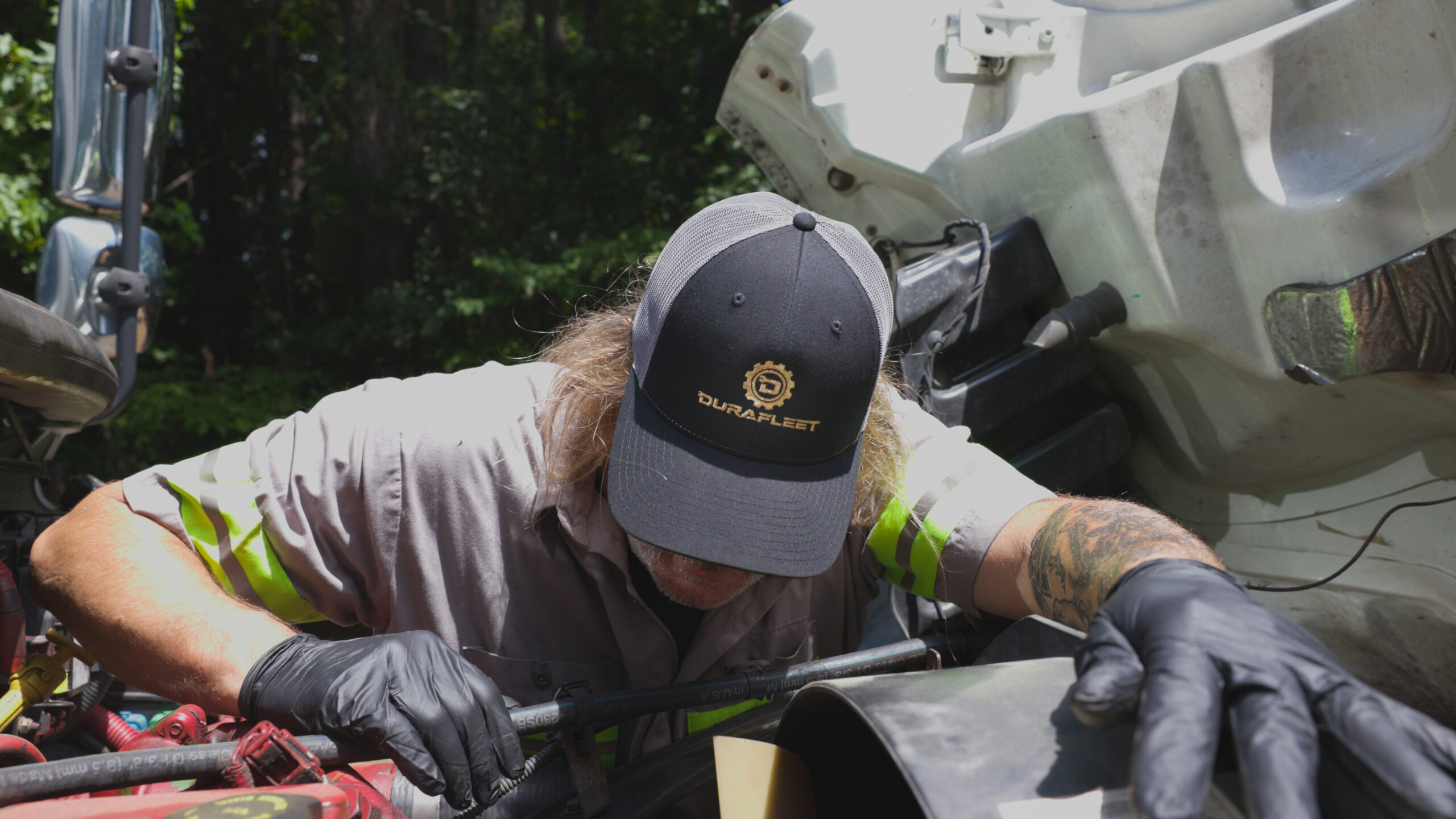
Mobile diesel service compresses the traditional workflow by bringing diagnostics directly to the point of failure. Instead of initiating transport logistics, fleets can begin mechanical assessment immediately.
This shift changes how downtime is experienced. Even if repairs take the same number of labor hours, earlier diagnostics allow organizations to plan more effectively.
The mobile workflow often includes:
- Rapid technician dispatch
- Immediate fault identification
- On-site repair when feasible
- Escalation to shop only when necessary
By eliminating transport as the first step, fleets regain control over response timelines.
Cost Comparison Is Not Just About the Tow Bill
Many fleet managers initially evaluate mobile service based on direct cost comparison. Towing appears to be a known, predictable expense. Mobile repair may seem variable.
However, the larger financial consideration involves operational continuity. Downtime affects revenue, project scheduling, and labor utilization. When these factors are included, the economic evaluation shifts from repair cost to availability cost.
This is particularly relevant for high-utilization fleets where vehicle productivity drives financial performance.
When Towing Still Makes Operational Sense
Mobile diesel service is not a universal replacement for facility repair. Certain scenarios still justify transport.
Major engine rebuilds, fabrication requirements, and complex system failures often require controlled shop environments. Fleet leaders must evaluate the severity of mechanical issues alongside operational urgency.
Effective maintenance strategies recognize that both models have roles.
The Dispatch Decision Framework
When a diesel failure occurs, fleet teams typically assess three factors:
- Failure severity – Can diagnostics determine repair scope quickly
- Operational urgency – How critical is the vehicle to current schedules
- Location logistics – Is transport practical or disruptive
Mobile service becomes most valuable when rapid assessment reduces uncertainty. Even when eventual shop repair is required, earlier diagnostics improve planning accuracy.
Distributed Fleets Require Flexible Repair Models
Organizations operating across multiple regions face unique maintenance challenges. Centralized repair facilities may be geographically distant from job sites or distribution routes.
Mobile diesel service supports these environments by extending maintenance capability into the field. This reduces dependency on facility proximity and improves response consistency.
Integrating Mobile Service Into Long-Term Fleet Strategy
Over time, many fleets move from using mobile repair as an emergency solution to incorporating it into preventive maintenance programs. Routine inspections, minor repairs, and diagnostics can be scheduled on site, reducing facility congestion and improving maintenance efficiency.
This hybrid approach allows organizations to balance mobile responsiveness with facility-based expertise.
Repair Location Is a Strategic Decision
Choosing between towing and mobile repair is not simply a logistical choice. It reflects how fleets manage risk, downtime, and operational continuity.
Organizations that evaluate repair workflows strategically often achieve greater control over maintenance outcomes and cost exposure.
Contact DuraFleet to discuss how mobile diesel service can be integrated into your fleet’s repair decision framework.
FAQs
What is a mobile diesel mechanic
A technician who performs diagnostics and repairs at the vehicle’s location.
When should a vehicle be towed instead of repaired on site
Major mechanical failures that require specialized facility equipment often justify towing.
Does mobile service reduce downtime
It allows diagnostics and many repairs to begin sooner, improving operational recovery speed.
Is mobile diesel repair cost effective
When downtime impact is considered, mobile service often improves overall cost control.
Can mobile repair support large or distributed fleets
Yes. It is particularly valuable for fleets operating across multiple locations.