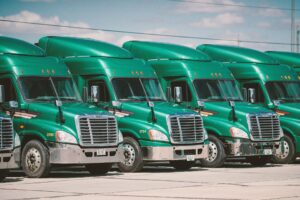
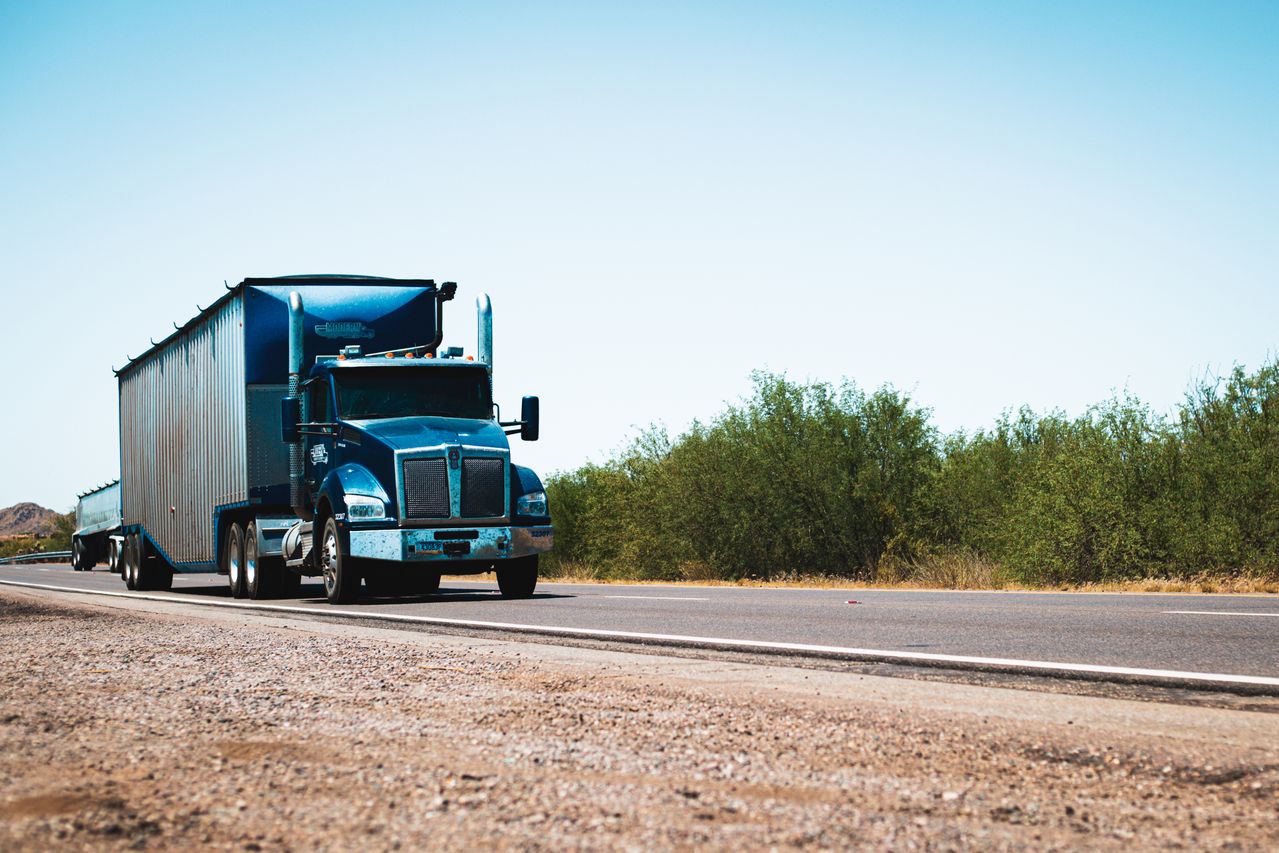
A brake problem on the road stops more than the truck. It stops the load and disrupts the delivery promise. No matter their size, Texas fleets with brake issues face a choice every day: wait for a tow truck and a shop queue, or get mobile brake repair now.
DuraFleet brings on-site brake service directly to commercial vehicles across the Lone Star State. Our mobile technicians handle air and hydraulic brakes on semi-trucks, trailers, and box trucks. As a result, your trucks stay productive instead of sitting in a shop bay.
Key Takeaways
- Mobile brake repair sends a technician with parts and tools to your truck's location, eliminating the tow and shop-queue delay.
- Air brakes (semis, heavy trucks) and hydraulic brakes (medium-duty vehicles) each require specific expertise; mobile techs handle both.
- Brake defects are the top reason trucks get placed out of service at roadside inspections, putting compliance and CSA scores at risk.
- DuraFleet operates six Texas locations covering the Metroplex, greater Houston, and San Antonio.
- Regular brake inspections catch worn shoes and slack adjuster problems before they sideline a truck or trigger a DOT violation.
What Is Mobile Brake Repair for Trucks?
Mobile brake repair sends a qualified technician with parts and tools to a truck's location to inspect and repair brake components on-site. The vehicle never needs towing to a shop. This “shop-on-wheels” model covers everything from slack adjuster adjustments to full drum and shoe replacements, done wherever the truck sits, whether that is a shipper's yard, a rest stop, or a roadside shoulder.
The service works for heavy-duty semis, tandem trailers, and medium-duty fleet vehicles. This means a brake problem becomes a same-day service call that keeps the truck working instead of sitting in a shop queue. That’s a real benefit to fleet operators who no longer have to choose between productive and maintained fleets.
Why Fleets Choose Mobile Brake Repair Over Towing
Every hour a truck sits idle costs money. The ATRI 2024 cost report puts the industry's average operational cost at $2.260 per mile. This operational cost continues even when the wheels stop.
Mobile brake repair removes two bottlenecks: the tow and the shop queue. A technician comes directly to the breakdown site.
When a brake failure happens on a Texas highway or at a shipper's lot, DuraFleet's emergency roadside service puts a tech on the way, and fast. The goal? Get your truck back in service the same day.
Even with the convenience of mobile brake repair, some severe brake jobs still justify a shop. Frame damage or major drum machining may require equipment that cannot travel. A good mobile service provider will tell you upfront when towing makes more sense.
Air Brakes vs. Hydraulic Brakes on Commercial Trucks
Commercial trucks use two main braking systems. The difference matters for who can service them.
Air brakes use compressed air to activate the brake chambers and push the brake shoes against the drums. This system is standard on Class 7 and Class 8 trucks, including tractor-trailers. Key components include the air compressor, air tanks, brake chambers, and slack adjusters.
Air systems require technicians trained in heavy-duty brake work. The pressures and adjustment procedures differ from passenger vehicles. A technician working on air brakes must understand pushrod stroke limits and how to test for leaks under pressure.
By contrast, hydraulic brakes use fluid pressure to push pistons against rotors or drums. They are common on lighter medium-duty trucks and vans. The system is simpler but still demands proper bleeding and rotor inspection. Contaminated brake fluid or a failing master cylinder can cause soft pedal feel and reduced stopping power.
DuraFleet technicians rely on thorough training to diagnose and repair both systems on-site. Whether your fleet runs Class 8 semis on I-10 or medium-duty box trucks around metro routes, the mobile service covers the brake system your trucks actually use.
Warning Signs Your Truck Brakes Need Repair
Catching brake problems early keeps a truck out of the breakdown lane and out of an inspector's violation report. Watch for these warning signs:
- Longer stopping distances or a spongy brake pedal feel
- Grinding or squealing noises when braking
- Air pressure warnings on the dash or audible air leaks near the wheels
- Vibration or pulling to one side during braking
- ABS warning lights or other dashboard brake alerts
Any of these signals justifies a brake inspection before the next load. Waiting for a complete failure risks a roadside breakdown and a costly tow.
Common Causes of Semi-Truck Brake Failure
Understanding what goes wrong helps fleets prioritize inspections and catch problems early. The most common culprits include:
- Air leaks: Cracked lines or leaking brake chambers bleed pressure from the system. Low air pressure triggers the emergency brakes.
- Worn or glazed brake shoes: Friction material wears down over time and miles. Glazed shoes lose grip and extend stopping distances.
- Out-of-adjustment slack adjusters: Automatic slack adjusters can seize or fall out of spec. Improper adjustment reduces braking force.
- Cracked or heat-checked drums: Repeated heavy braking creates heat stress. Cracks or scoring on the drum surface reduce friction and can lead to drum failure.
- ABS sensor faults: Damaged wheel-speed sensors or wiring throw ABS codes and disable anti-lock protection. The brakes still work, but the safety margin shrinks.
Regular inspections catch these issues before they turn into a breakdown or a DOT violation. The earlier you spot a problem, the cheaper and faster the fix.
What On-Site Brake Service Includes
A mobile brake service call follows a clear process. The technician arrives at the truck's location with diagnostic tools, common parts, and the equipment to complete most brake jobs on-site.
First, the tech inspects the full brake system, including air lines, chambers, slack adjusters, and drums. After diagnosis, the technician explains the problem and confirms pricing before any work begins.
A standard single-axle brake job commonly runs about four hours on-site. That includes removing wheels, replacing shoes, inspecting drums, adjusting slack, and testing the system under pressure before the truck rolls. More extensive jobs, like replacing multiple chambers or resurfacing drums, take longer but still avoid the tow-and-shop delay.
A typical on-site brake service includes:
- Full brake system inspection and diagnosis
- Brake shoe or pad replacement
- Brake chamber and slack adjuster service
- Drum inspection and measurement
- Air line and fitting checks
- Post-service brake adjustment and testing
Brakes, DOT Compliance, and Your CSA Score
Brake condition is a safety and compliance issue. Federal regulations under the 49 CFR Part 393 brake rule require brakes adequate to stop and hold the vehicle. Fail that standard during an inspection, and the truck gets placed out of service.
Brake defects are the leading reason trucks get sidelined at inspections. According to 2024 Roadcheck brake data, the top vehicle out-of-service violation in North America was for defective service brakes. An out-of-service truck cannot legally move until the violation is corrected, which means a roadside repair or a tow.
Every out-of-service violation also affects your CSA score. Brake defects fall under FMCSA's Vehicle Maintenance BASIC, and these violations adversely affect a carrier's Safety Measurement System results for 24 months. A poor percentile rank can lead to safety interventions such as warning letters or investigations.
DuraFleet's DOT inspection services help fleets identify brake issues before an enforcement stop does. Proactive inspections protect safety and your compliance record while keeping trucks in service.
How Often Should Truck Brakes Be Inspected?
The safest approach is to inspect brakes as part of regular preventive maintenance and at every DOT inspection interval. Waiting for a warning sign means the problem is already affecting performance.
The stakes are clear. During the 2024 Brake Safety Week results, inspectors checked 16,725 commercial motor vehicles. They found 2,149 with brake-related out-of-service violations, a 12.8% rate. That means roughly one in eight trucks inspected had brakes bad enough to be pulled off the road.
The safety case is just as strong. The FMCSA crash causation study found brake problems were present in 29% of serious large-truck crashes studied (2001–2003 data). That made brakes the most frequently coded vehicle factor.
A preventive maintenance program that includes regular brake inspections catches wear and adjustment problems before they become violations or failures. For fleets, this means fewer surprises, more trucks on the road, and a stronger compliance record over time.
Mobile Truck Brake Repair Across Texas
DuraFleet operates six Texas locations, giving fleets statewide access to mobile brake repair along the state's major freight corridors. No matter where your trucks operate, a technician can reach you.
In the Dallas-Fort Worth Metroplex, our Dallas mobile mechanics cover the eastern corridor and distribution hubs. The Fort Worth fleet service team handles the western side and I-20/I-30 interchange traffic. Our Irving fleet technicians serve the mid-cities and DFW airport logistics zone.
In the Houston metro, North Houston service covers the northern industrial areas and I-45 corridor. Meanwhile, our Houston South technicians reach the port and southern distribution centers.
For fleets operating in South and Central Texas, our San Antonio fleet mechanics cover the I-35 corridor and serve as the southern anchor of our Texas network.
Whether your trucks run local routes or cross the state daily, DuraFleet's Texas coverage means a brake problem becomes a direct service call to your nearest location.
Frequently Asked Questions
How much does a semi-truck brake job cost?
Cost varies based on the number of axles, parts needed, and extent of wear. A mobile technician inspects the system first and confirms pricing before any work begins.
Can a mobile mechanic repair semi-truck brakes?
Yes. Mobile technicians carry the tools and parts to handle most air and hydraulic brake repairs on-site, including shoe replacements, chamber swaps, slack adjuster service, and drum inspections.
How long does a mobile brake job take?
A standard single-axle brake job commonly runs about four hours on-site. Multi-axle jobs or additional repairs extend the time, but you avoid the tow and shop-queue wait.
How fast can a technician reach my truck?
Response time depends on your location and technician availability. DuraFleet dispatches from six Texas locations to minimize wait times across major corridors.
Will brake repair fix a DOT out-of-service violation?
If the out-of-service violation is brake-related, repairing the defect and passing a recheck clears the violation. The truck cannot legally move until the repair is complete.
Is it safe to drive with faulty brakes?
No. Driving with known brake defects risks brake failure, crashes, and DOT violations. If you suspect a brake problem, stop the truck and request service before continuing.
Keep Your Texas Fleet Rolling
Brake problems cost fleets in downtime and compliance risk. The longer a truck sits waiting for a tow or a shop bay, the more those costs compound. A single out-of-service violation can delay a load by hours and affect your CSA standing for months.
On-site mobile brake repair cuts the delay. A qualified technician comes to the truck, diagnoses the problem, and completes the repair where the vehicle sits. Your drivers stay with the truck and your load stays on schedule.
For Texas fleets, DuraFleet's six-location network means fast response across the Metroplex, Houston metro, and San Antonio. Whether you need emergency brake service on I-35 or scheduled brake maintenance at your yard, a technician can reach you without a tow.
Don’t wait for a warning light or a roadside inspection to address brake wear. Request service from your nearest Texas DuraFleet location and keep your trucks moving.