When a Truck Stops, the Clock Starts
There’s no such thing as a convenient breakdown.
It happens mid-route. On a tight schedule. With a delivery that can’t wait.
From that moment on, everything becomes a race against time.
Drivers are stuck. Loads are delayed. Dispatch is scrambling to adjust. And every minute that passes makes the situation harder to recover from.
This is where roadside service stops being a convenience. It becomes a critical part of keeping your operation moving.
Traditional Towing Slows Everything Down
For a lot of fleets, the default response is still the same.
Call for a tow. Wait. Move the vehicle. Wait again. Then start the repair process.
By the time someone actually begins diagnosing the issue, hours have already been lost. Sometimes more.
That delay doesn’t just affect one truck. It creates a ripple effect across your schedule.
Routes shift. Drivers fall behind. Customers feel it.
The longer that vehicle is out of place, the more complicated everything becomes.
Faster Response Changes the Outcome
The biggest difference in roadside situations is how quickly someone can get to the problem and start working on it.
Not just arrive. Actually diagnose and resolve it.
With commercial roadside assistance that’s built for fleets, the goal is simple. Get the vehicle moving again as quickly as possible.
That often means handling the issue on-site instead of sending it through a longer process.
It’s a different approach. One that focuses on minimizing disruption instead of managing it after the fact.
Not Every Breakdown Needs a Tow
Many roadside issues can be resolved without removing the vehicle from service.
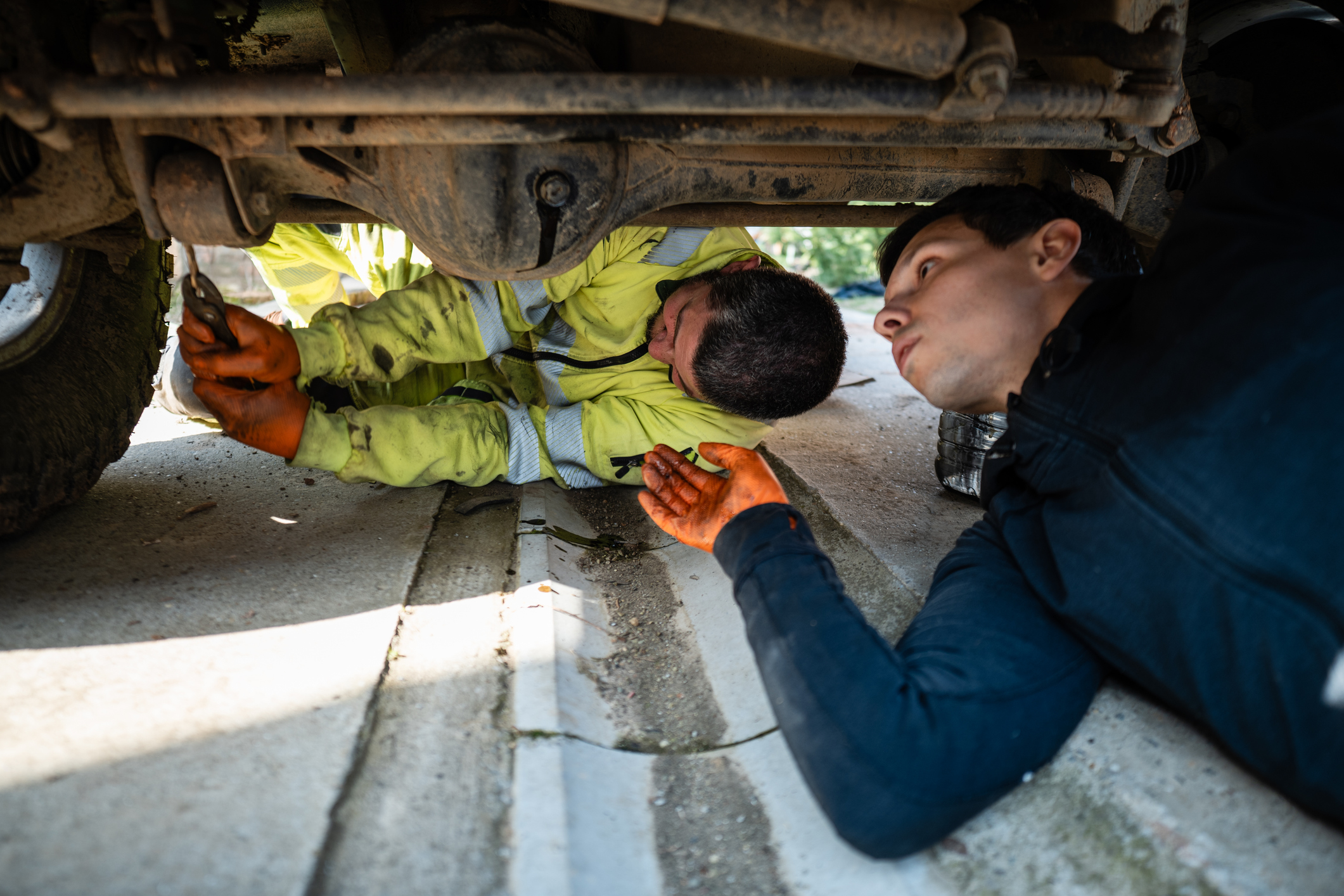
Things like electrical faults, brake issues, fluid problems, or minor mechanical failures can often be diagnosed and repaired where they happen.
When that’s possible, everything changes.
The driver stays closer to their route. The load stays on schedule. The downtime stays limited.
It turns what could have been a major interruption into something manageable.
The Cost of Waiting Adds Up Quickly
It’s easy to focus on the repair itself. But that’s rarely the biggest expense.
What really adds up is everything happening while the truck is sitting still.
Idle time. Missed delivery windows. Driver delays. Customer frustration.
And then there’s the uncertainty. Not knowing how long the vehicle will be down makes it harder to plan around.
A faster response doesn’t just fix the truck. It reduces all of those secondary costs at the same time.
Roadside Service Should Be Built Around Uptime
For fleets, roadside service isn’t just about emergencies. It’s about how quickly you can recover from them.
That requires:
- Rapid response times
- Technicians who can diagnose on arrival
- The ability to complete repairs on-site when possible
When those pieces are in place, breakdowns don’t carry the same level of disruption.
They’re still inconvenient, but they’re contained.
Why On-Site Repair Makes the Difference
The sooner someone can assess the situation, the sooner decisions can be made.
On-site emergency roadside repair gives fleets immediate clarity.
Instead of waiting to find out what’s wrong, you know quickly whether the issue can be fixed on the spot or if additional work is needed.
That visibility helps you plan next steps without losing more time than necessary.
It also keeps drivers informed and reduces the stress that comes with being stranded and unsure of what happens next.
Reliability Matters When It’s Unplanned
Breakdowns don’t follow a schedule. They don’t happen when it’s convenient.
That’s why consistency matters just as much as speed.
You need to know that when something goes wrong, someone will respond quickly and handle the situation with confidence.
That reliability is what turns roadside service into a dependable part of your operation instead of a last-minute scramble.
Keep Your Fleet Moving When It Matters Most
Every fleet deals with breakdowns. The difference is how long they last and how much they disrupt everything around them.
With faster response, on-site diagnostics, and a focus on getting vehicles back in service quickly, those disruptions can be reduced significantly.
DuraFleet approaches roadside service with that mindset. Respond quickly, solve the problem where it happens, and keep your operation moving.
If downtime is costing you time, money, or customer trust, you can learn how DuraFleet delivers roadside support built for fleets.
FAQs
What is commercial roadside service?
Commercial roadside service provides support for fleet vehicles that break down during operation, including diagnostics and repairs performed on-site when possible.
How is this different from traditional towing?
Instead of immediately towing the vehicle, roadside service focuses on diagnosing and fixing the issue where it occurs to reduce downtime.
What types of issues can be repaired on-site?
Many common problems such as electrical issues, brake concerns, fluid leaks, and minor mechanical failures can often be handled without towing.
Is roadside service available 24 hours?
Most commercial roadside services operate 24 hours to support fleets whenever breakdowns occur.