
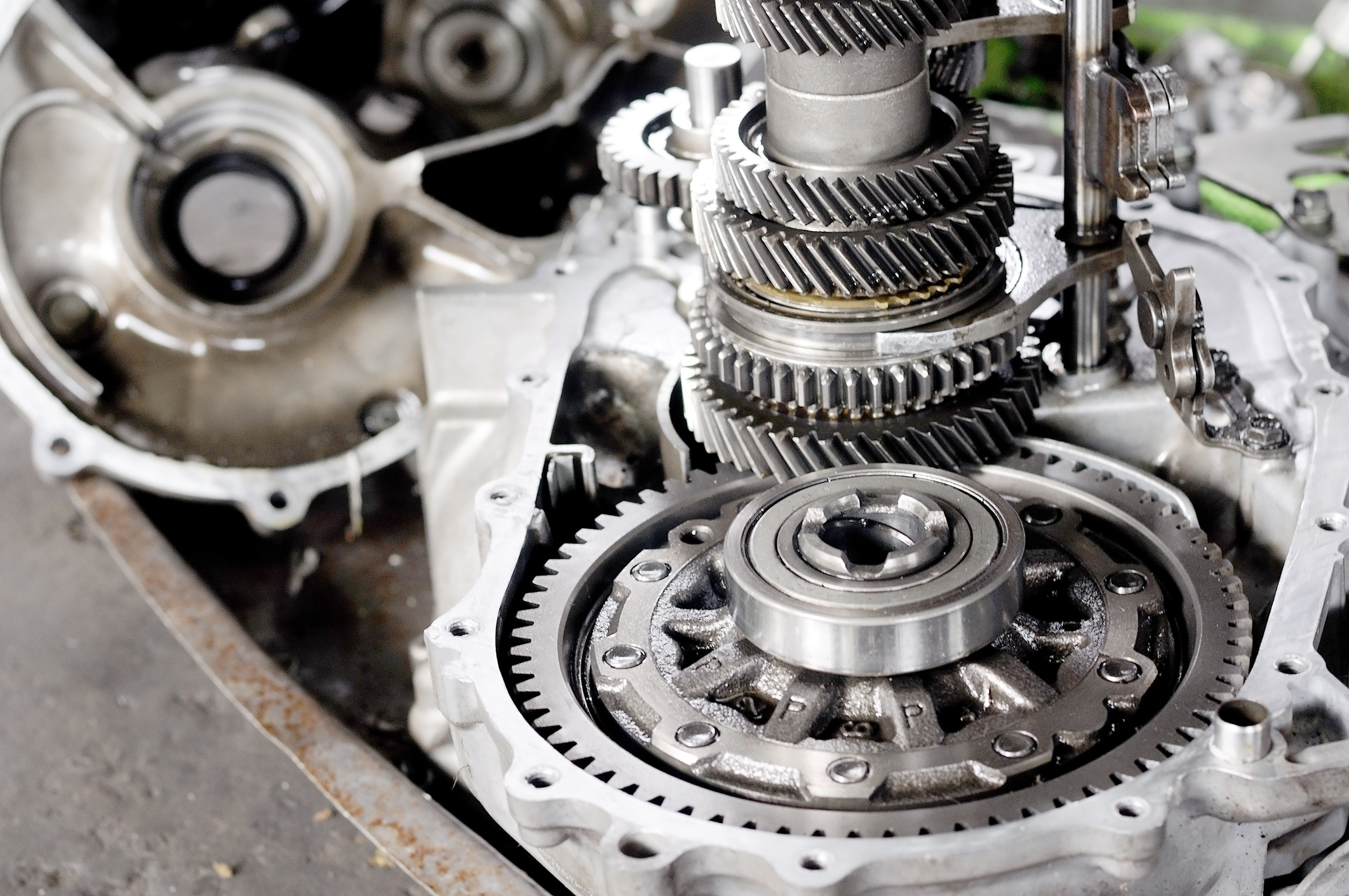
Transmission Problems Don’t Stay Small for Long
You usually feel it before it fully breaks.
A truck hesitates. Shifts feel off. Power drops when it shouldn’t. A driver mentions something that doesn’t sound urgent, but also doesn’t sound right.
Then one day, that same truck isn’t operating the way it needs to. Or it’s out of service entirely.
That’s how transmission issues show up. Gradual at first, then suddenly disruptive.
And once it reaches that point, you’re no longer dealing with a minor repair. You’re adjusting routes, managing delays, and trying to keep everything else moving around it.
There’s Usually a Window to Act
Most heavy-duty transmission failures don’t happen without warning. The challenge is recognizing which signals matter.
You might notice shifting delays or a rough transition between gears. Sometimes it’s a subtle loss of power under load. Other times it’s heat or fluid that looks darker than it should.
None of these always force a vehicle off the road right away. That’s why they get overlooked.
But that early stage is where you still have options. Once internal damage spreads, those options narrow quickly.
Why Transmission Issues Escalate So Quickly
Transmission systems operate under constant stress. They manage power, load, and movement all at once.
When something starts to slip or wear down, it doesn’t stay isolated. Heat builds. Friction increases. Components that were working fine start compensating for the ones that aren’t.
This is where costs start to climb.
What could have been addressed with a targeted repair turns into something much larger. And in many cases, the biggest cost isn’t the repair itself. It’s the time that vehicle is unavailable.
The Delay Is What Hurts Most
Traditional repair timelines don’t work well for fleets.
A vehicle gets pulled out of rotation. It has to be transported. It sits. Then it gets looked at.
That gap between the problem and the diagnosis is where operations feel the impact the most.
Without clear answers, it’s hard to plan. You don’t know if the truck will be back in a day or out for a week. That uncertainty forces adjustments across your entire schedule.
On-Site Diagnostics Give You Answers Faster
Getting clarity early changes everything.
With on-site heavy duty transmission repair, technicians can evaluate the issue in real conditions, not after the fact.
Instead of waiting, you can understand what’s happening almost immediately.
In some cases, the issue can be addressed right there. In others, you at least know what you’re dealing with and how to plan around it.
That kind of visibility makes it easier to manage both the repair and the rest of your operation.
Not Every Transmission Problem Requires Replacement
This is where timing really matters.
When issues are caught early, repairs can often stay focused. Fluid problems can be corrected. Pressure inconsistencies can be stabilized. Smaller component wear can be addressed before it spreads.
But once damage reaches a certain point internally, repair is no longer enough.
At that stage, replacement becomes the only option, and that comes with higher costs and longer downtime.
The difference between those two outcomes is usually how early the issue is identified.
Transmission Service Should Not Be an Afterthought
For many fleets, transmission service only becomes a priority when something fails.
But by then, you’re already reacting.
A more controlled approach starts earlier. It means paying attention to how vehicles are shifting, listening to driver feedback, and acting when performance changes even slightly.
That shift in mindset reduces surprises. It also keeps vehicles in service longer without major interruptions.
Experience Helps You Avoid the Wrong Fix
Transmission issues are not always straightforward.
Similar symptoms can point to very different causes. Without the right experience, it’s easy to misdiagnose the issue or overcorrect by replacing more than necessary.
Experienced technicians look at patterns, not just symptoms. They understand how the system behaves under real working conditions and can make more precise decisions.
That reduces repeat issues and helps ensure the repair actually solves the problem.
Keep Your Fleet Moving Without the Setbacks
Transmission problems don’t have to take a vehicle out of operation for longer than necessary.
With faster diagnostics, on-site evaluation, and a focus on early intervention, fleets can stay ahead of issues instead of reacting to them after they escalate.
DuraFleet approaches transmission repair with that in mind. Reduce downtime, avoid unnecessary replacements, and keep your trucks working.
DuraFleet currently operates across multiple markets including the following metro areas:
Fleet operators in these areas can request service directly through the site and receive mobile support dispatched to their location.
If transmission performance is starting to affect your operation, you can see how DuraFleet supports fleets with on-site solutions.
FAQs
What are early signs of transmission problems?
Drivers may notice rough shifting, delayed gear engagement, slipping under load, or reduced performance.
Can transmission issues be repaired without replacing the entire system?
Yes, if caught early. Many issues can be resolved through targeted repairs or service before internal damage spreads.
Why do transmission repairs lead to downtime?
Delays often come from transport, shop scheduling, and time spent diagnosing the issue. On-site diagnostics help reduce that gap.
Is on-site transmission repair reliable?
Yes. On-site diagnostics and certain repairs can be completed where the vehicle is located, helping fleets avoid unnecessary delays.